
JR Ford continues his journey along the Garden Route of South Africa and meets some of the country's most remarkable wildlife
This is Africa
“Mate, this is Africa”, is a saying we heard many times during our travels – and we continued to hear it as we explored the South African Garden Route and delved into African life and traditions.
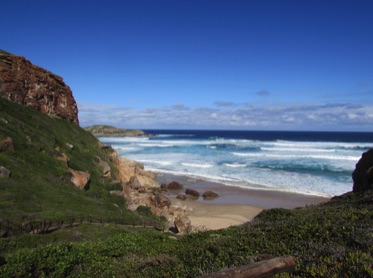
A particular highlight on our trip along the Garden Route was the Plettenberg Bay area, which is situated between the Tsitsikamma Mountains and Knysna.
The area has two South African National Parks and Reserves – one at Tsitsikamma and one at the Robberg Peninsula. This region is renowned for its walking, but also has a range of activities for all abilities and ages such as whale watching, shark cage diving, horse riding, tree top adventures, bungee jumping or African crafts.
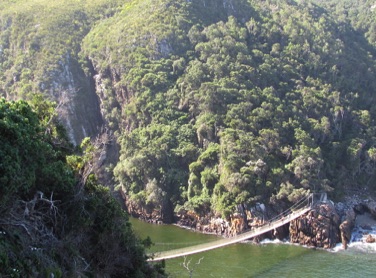
We spent a great deal of time hiking and never once had any problem with the wildlife or the crime we had been warned about. Indeed, finding a restaurant with stunning steaks and views – which included some passing humpback whales – was another highlight as we went to see the famous Storms River Bridges (pictured below right).
We stayed in a fabulous tree lodge (with a flat screen TV and vervet monkeys on the veranda!) at a place called Moonshine on Whiskey Creek. This was a real highlight as it was in indigenous forest that afforded outstanding possibilities for exploration and for experiencing nature.
What makes it such a desirable place to stay is the quirky and unique styling, brought about by the owners Albert and Sue, a delightful couple with a passion for the area and its natural beauty. Albert also creates the cabins himself, and is a keen proponent of “upcycling” (check it out!), even leaving me one of his creations for a birthday present! Such warmth and care was typical of the people we met on our travels.
“Mate, this is Africa”. Yes it is!
A large number of wildlife sanctuaries have emerged within the area over the last 20 years, catering for a wide variety of animal and birdlife. On the face of it, sanctuaries may not be the first choice for people wishing to see wildlife in their natural habitat. However, they have a role to play educationally, in making nature more accessible to the public and in conserving both native and non-native species.
We researched a number of these sanctuaries beforehand, and decided that Monkeyland, Birds of Eden and Jukani would be worth visiting. These are run by the same company and have recently won awards in the areas of conservation. They have a strictly no petting or human interaction policy and their focus puts the animals and birds as their first priority. They take great care that any new additions to their sanctuaries are sourced ethically (and would not have the potential to survive in the wild) and often are unwanted animals/birds from the petting industry, locally injured, or from research laboratories.
Every visitor is given a personal tour of Monkeyland by knowledgeable guides, and the sanctuary caters for any disability. It has hectares of indigenous forests with trails that cover half of this area, allowing visitors access to see the primates. This ensures that there are parts of the sanctuary in which the primates can remain undisturbed and these sections of forest have remained untouched by humans for 15 years.
They have 11 species of primates from all parts of the world. Our tour guide, Vijver, is a hugely passionate lady with a keen desire for educational outreach and raising awareness of the plight of animals in all areas.

Birds of Eden is the largest enclosed aviary dome in the world with a huge variety of species which are free to fly and roam as they wish. To see parrots fly up close and personal, but still behaving as they should is an eye-opening experience – especially as our previous experience had often been of these birds sitting in cages.
We were finally able to see top predators in large enclosures at Jukani. They do a great job and are hugely passionate about their wildlife, but there will always be a part of me that wants to see the wildlife in the wild. Hence the name “wildlife”.
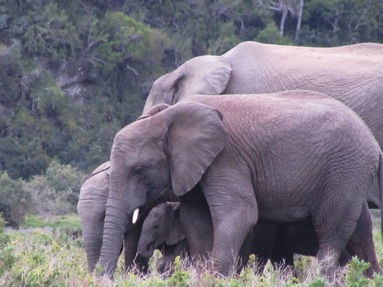
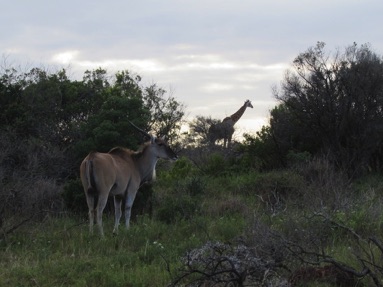
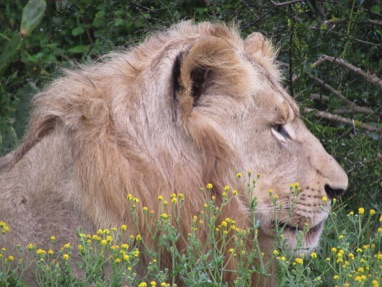
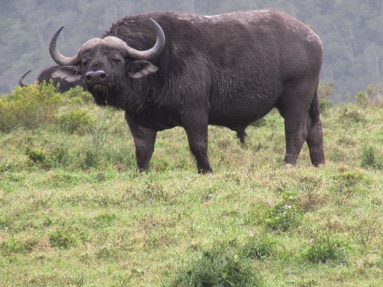
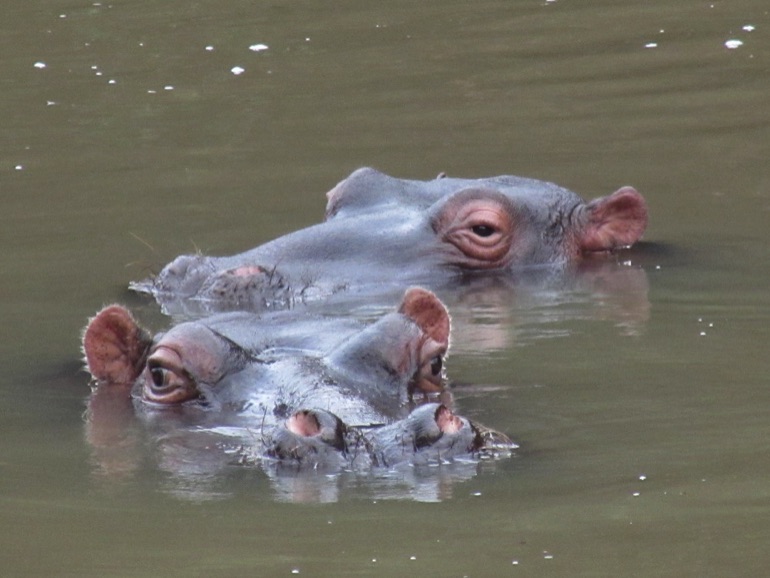
So, our final stop was for a safari. We chose Kariega, on the east coast, knowing that what we were doing was not as wild or vast as somewhere like Kruger, but fell within our travelling parameters and afforded us a glimpse into the wildness of the safari. We missed out on the Big 5 by not seeing leopards, but the game drives, replete with the animals – which were most definitely wild – were so rewarding and offered us magnificent views of lions, elephants, rhinos, buffalo, hippos and various antelope, together with stunning birdlife.
Kariega was rather luxurious for a safari, and the food was exceptional. We managed to cope!
However, I rather think that next time we will opt for a more basic version that is more into the bush. Certainly more wild than we experienced at Kariega.
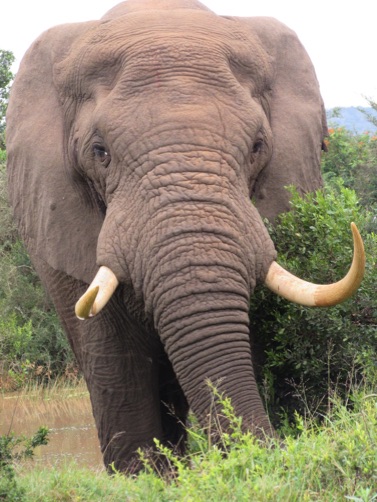
But as a safari lodge it was faultless and the memories we have remain crystal clear due to their associated intense experiences.
These included being stalked by lions (actually, it was the fact there was impala behind us that made it appear we were being stalked), seeing elephants come up out of a watering hole, getting close to hippos (by viewing them from the riverbank), or getting caught in a “buffalo jam” – they only move if they want to, and you don't want to try and persuade them, as a single buffalo can turn your jeep over!
“Mate, this is Africa”!
We finished our trip with a 10-day stay in Mauritius, and that is Africa too. We were there for the sun and cannot really maintain that it was an eco-tour, although we did some exploring and would say there is plenty to see and do if you go from the beaten track there too!
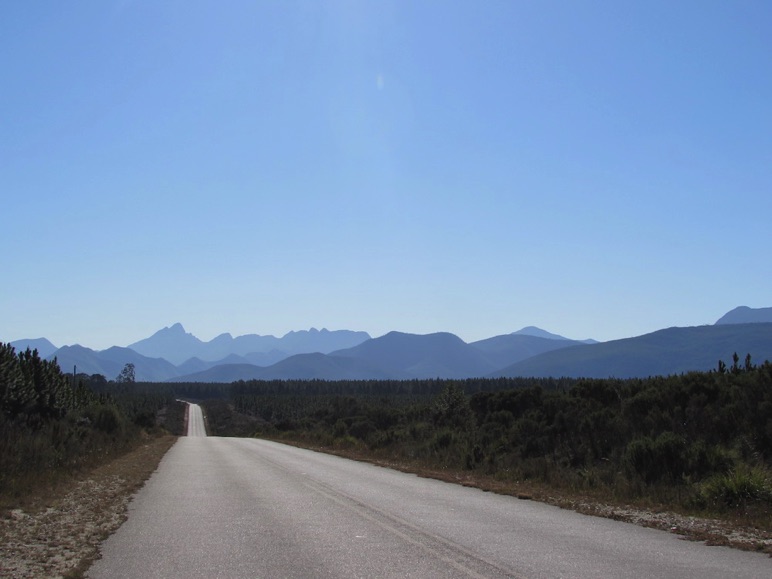
But it was the South African Garden Route that we were most impressed by, and where we want to go again. And we will. Because… well, to sum up the breath-taking beauty, the vibrancy and the colour of the people and their traditions, the amazing food and wine, the animals and the biodiversity is almost impossible. I suppose there is only one phrase that will do:
“Mate, this is Africa”.
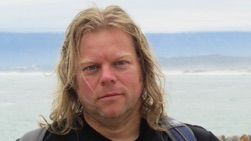
JR Ford is a quadrilinguist, rugby nut, rock music fan, fantasy lover and a passionate advocate of nature and conservation. He has been a successful teacher of modern foreign languages for over 20 years and has now made the transition to becoming an acclaimed and innovative fantasy author. John believes that fantasy in all its forms is "something that won't happen, something that couldn't ever happen ... but wouldn't it be fun if it did?" John has published two novels to date, with more in the pipeline. His fantasy novels encompass different areas of fantasy: epic, urban, historical or religious, and he maintains that if reading is escapism, then fantasy must be escapism in its purest form. Not that John's characters are always pure ... For more stories, poems and news, visit www.jrford.com.
Green Adventures April 2016